It was 11:43 PM on a rainy Tuesday in November, and I was staring into the abyss of my refrigerator. The kind of hunger that doesn’t just rattle your stomach but actually rattles your sanity. I wanted warmth. I wanted something that tasted like a hug from a grandmother who knew how to fix things with broth and patience. But I didn’t have the luxury of time, nor did I have the energy to stand over a stove stirring a pot for three hours like a medieval peasant guarding a treasure.
I had a slow cooker, a half-pound of chuck roast that had been sitting in the crisper drawer since Sunday, and a bag of carrots that were starting to look a bit sad. Honestly, I almost ordered pizza. But then I remembered this specific recipe for cozy slow cooker beef and vegetable stew. It wasn’t perfect. I forgot to chop the celery until the onions were already sizzling in my head, and I used the cheap red wine because the good stuff was still in the closet from a celebration that felt like a lifetime ago.
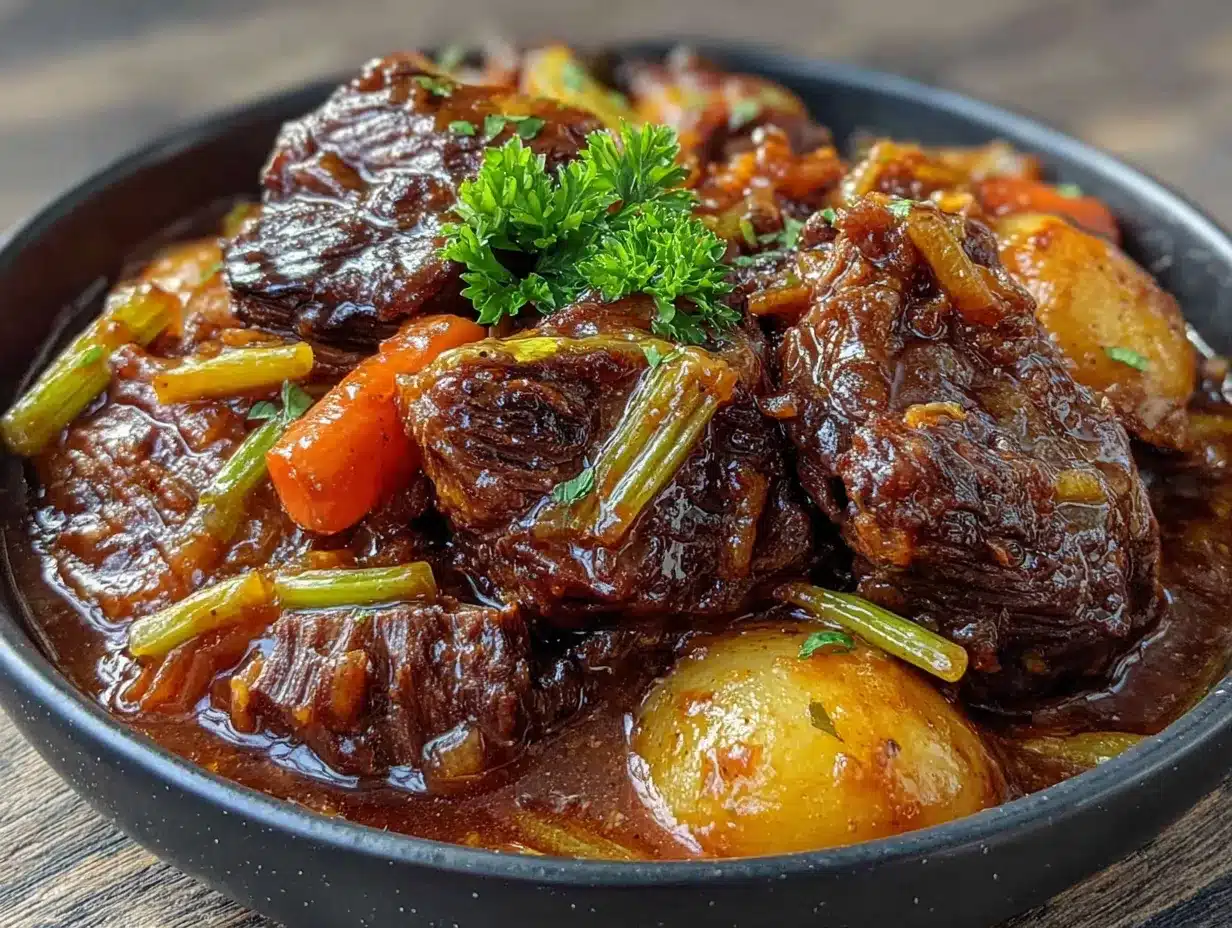
The house started smelling like heaven around 2 AM. That’s the thing about late-night cooking, you know? The rules disappear. You throw in extra herbs because you’re tired. You don’t measure the salt because you’re guessing. And somehow, that’s when the magic happens. The meat turned out so tender it fell apart when I looked at it wrong. The vegetables absorbed all that rich, dark beef broth until they were practically melting on my tongue.
I sat at my kitchen table in my pajamas, eating straight from the pot with a spoon, watching the rain hit the window. It was messy, it was imperfect, and it was exactly what I needed. That night, this stew became my secret weapon for cold, dark evenings. Maybe you’ve been there, standing in front of an open fridge at midnight, wondering if comfort food is real or just a myth we tell ourselves to sleep better. Trust me, it’s real. And it’s waiting in your slow cooker.
Why You’ll Love This Recipe
Let’s face it, we’ve all tried beef stew before. Some were dry. Some were watery. Some tasted like they had been simmering since the Carter administration. This version is different because it respects the meat. It doesn’t rush it. It uses the gentle, consistent heat of a slow cooker to break down collagen into gelatin, creating that luxurious, thick texture that coats your spoon without needing a single tablespoon of cornstarch slurry.
- Set It and Forget It: This recipe comes together in under 15 minutes of active prep time. You toss everything in, hit the button, and go live your life. It’s perfect for busy weeknights when you want to come home to a house that smells like a bakery, but with savory, hearty vibes.
- Pantry Staples: You likely already have most of this in your kitchen. Onions, carrots, potatoes, beef broth, tomato paste. No fancy grocery trips needed. It’s accessible comfort food for real people with real schedules.
- Perfect for Cozy Dinners: Whether it’s a rainy Tuesday, a chilly Sunday afternoon, or a holiday gathering where you’re overwhelmed by side dishes, this stew is the anchor of the meal. It feeds a crowd and keeps everyone happy.
- Crowd-Pleaser: Kids usually have a hard time with chunky vegetables, but in this stew, the veggies get so soft they melt. Adults love the depth of flavor. It’s a win-win.
- Unbelievably Delicious: The texture is next-level. The beef is fork-tender, and the gravy is rich and savory. It’s the kind of meal that makes you close your eyes after the first bite and sigh.
What makes this recipe stand out is the balance of acidity and richness. I use a splash of red wine and a teaspoon of balsamic vinegar to cut through the heaviness of the beef fat. It’s a trick I learned from a chef friend who swore by it, and now I can’t make stew without it. It’s not just food; it’s an experience. It’s comfort food reimagined for the modern, tired adult.
What Ingredients You Will Need
This recipe uses simple, wholesome ingredients to deliver bold flavor and satisfying texture without the fuss. The key is quality where it counts, specifically the beef and the broth. Here is what you need to get started.
- Chuck Roast (2 pounds): Cut into 1.5-inch cubes. This cut has the right amount of fat to keep the meat moist during long cooking. I recommend buying from a local butcher if possible, but any good supermarket chuck works. Avoid lean sirloin; it will turn out dry and tough.
- Beef Broth (32 ounces): Use a low-sodium version so you can control the saltiness. Low-sodium is better because the sauce reduces and concentrates flavors over time.
- Red Wine (½ cup): A dry red like Cabernet Sauvignon or Merlot works best. You don’t need expensive wine, but don’t use the cooking wine from the vinegar aisle. It tastes terrible. If you don’t drink alcohol, substitute with extra beef broth and a teaspoon of balsamic vinegar.
- Tomato Paste (2 tablespoons): This adds depth and umami. It’s not just for flavor; it helps thicken the stew slightly. Look for a brand with no added sugars.
- Yellow Onion (1 large): Diced. This forms the flavor base. Don’t skip it.
- Garlic (4 cloves): Minced. Fresh garlic is non-negotiable here. Powdered garlic won’t give you that punch.
- Carrots (3 large): Peeled and cut into chunks. Large carrots hold up better than baby carrots, which can turn to mush too quickly.
- Potatoes (1.5 pounds): Yukon Gold or Russet potatoes. Yukon Golds are creamier, while Russets are fluffier. I prefer Yukon Golds for their buttery texture.
- Celery (2 stalks): Chopped. Adds a necessary earthy note.
- Worcestershire Sauce (1 tablespoon): This is the secret ingredient. It adds a savory, tangy kick that ties everything together.
- Thyme (1 teaspoon dried): Fresh thyme is great, but dried holds up better in long cooks. If using fresh, add it in the last hour.
- Bay Leaves (2): Essential for that classic stew aroma.
- All-Purpose Flour (2 tablespoons): Used to coat the beef before cooking. This helps thicken the gravy.
- Butter (2 tablespoons): For searing the meat. If you’re dairy-free, use olive oil.
- Salt and Black Pepper: To taste. Always season in layers.
Why is my stew too watery?
This is the most common issue. It usually happens if you use too much liquid or if you add watery vegetables like zucchini too early. To fix it, simply remove the lid for the last 30-60 minutes of cooking to let excess moisture evaporate. You can also mix a teaspoon of cornstarch with cold water and stir it in.
Can I use frozen beef?
It’s not recommended. Frozen meat won’t sear properly, and it can introduce ice crystals that dilute the flavor. If you must, thaw it completely first. For best results, always start with fresh, chilled meat.
Equipment Needed
You don’t need much to make this stew, but having the right tools makes a huge difference. A 6-quart slow cooker is the standard size and perfect for this recipe. If you have a larger family, a 7-quart or 8-quart model works too, but don’t go too small or you risk overflow.
I also recommend a large skillet for searing the beef. Many people skip this step to save time, but I strongly advise against it. Searing creates the Maillard reaction, which adds a layer of complex flavor that boiling simply cannot achieve. If you don’t have a skillet, a non-stick pan works fine.
Don’t forget your sharp chef’s knife and a cutting board. A dull knife is dangerous and makes chopping vegetables a nightmare. Keep your knife sharp. It makes the prep work faster and safer.
If you’re using a slow cooker with a glass lid, be careful. Glass retains heat well but can crack if subjected to sudden temperature changes. Never place a hot glass lid on a cold counter. And always clean your slow cooker insert immediately after use. Dried-on stew residue is a pain to scrub off later.
Preparation Method
Ready to make this cozy slow cooker beef and vegetable stew? Let’s get into the details. This process is straightforward, but attention to detail ensures the best results.
- Prep the Beef (10 minutes): Pat the cubed chuck roast dry with paper towels. This is crucial for a good sear. In a large bowl, toss the beef cubes with 2 tablespoons of flour, 1 teaspoon of salt, and ½ teaspoon of black pepper. Coat them evenly. The flour will help thicken the gravy later.
- Sear the Meat (15 minutes): Heat 1 tablespoon of butter (or oil) in a large skillet over medium-high heat. Working in batches, add the beef cubes to the hot pan. Do not overcrowd the pan, or the meat will steam instead of brown. Sear each side for 2-3 minutes until a deep brown crust forms. Transfer the seared beef to your slow cooker. Repeat with the remaining beef.
- Sauté Aromatics (5 minutes): In the same skillet, add the remaining tablespoon of butter. Add the diced onions and chopped celery. Sauté for 3-4 minutes until softened. Add the minced garlic and cook for another 30 seconds until fragrant. Be careful not to burn the garlic. Transfer this mixture to the slow cooker.
- Combine Wet Ingredients (2 minutes): In a measuring cup or bowl, whisk together the beef broth, red wine, tomato paste, and Worcestershire sauce. Pour this mixture over the beef and vegetables in the slow cooker. Stir gently to combine.
- Add Herbs and Vegetables (2 minutes): Add the bay leaves and dried thyme. Toss in the chopped carrots and potatoes. Ensure everything is submerged in the liquid as much as possible. If needed, add a splash more broth or water.
- Cook on Low (8 hours): Cover the slow cooker and cook on the Low setting for 8 hours. This long, slow cook time is what makes the beef so tender. If you’re short on time, you can cook on High for 4-5 hours, but the texture won’t be quite as melt-in-your-mouth.
- Final Adjustments (5 minutes): After 8 hours, check the beef for tenderness. It should fall apart easily with a fork. Remove the bay leaves. Taste the stew and adjust seasoning with more salt and pepper if needed. If the stew is too thin, you can leave the lid off on Low for the last 30 minutes to thicken it.
Why should I sear the beef?
Searing adds flavor. It creates a crust on the meat that locks in juices and adds a rich, savory depth. Skipping this step saves time but results in a blander, less complex stew.
Can I use a pressure cooker instead?
Yes! You can use an Instant Pot. Sear the meat using the Sauté function, then add all ingredients. Cook on High Pressure for 35 minutes, then do a natural release for 15 minutes. The texture will be slightly different but still delicious.
Cooking Tips & Techniques
Here are some professional techniques and personal lessons to help you master this recipe. I’ve made enough mistakes in the kitchen to fill a cookbook, so you don’t have to.
- Don’t Skimp on Salt: Slow cooking can mute flavors. Season your beef well before cooking, and taste the stew at the end. It likely needs more salt than you think.
- Use Good Wine: If you wouldn’t drink it, don’t cook with it. The alcohol cooks off, leaving behind the flavor compounds. Cheap wine tastes harsh.
- Layer Your Flavors: Sautéing the onions and garlic before adding them to the slow cooker brings out their sweetness. Raw onions can taste sharp and pungent in a stew.
- Watch the Potatoes: If you prefer your potatoes to hold their shape, add them in the last 2 hours of cooking. If you like them to melt into the stew, add them at the beginning.
- Multitask Wisely: While the stew is cooking, prepare a simple side like crusty bread or a green salad. The stew smells amazing and will make the rest of the meal feel complete.
One of my biggest failures was adding all the vegetables at the start and ending up with mush. Now, I add root vegetables early, but delicate greens like spinach or peas at the very end. It’s all about timing.
Why is my stew bitter?
This can happen if you burn the garlic or onions during searing. Always keep the heat moderate and stir frequently. If it’s too bitter, try adding a pinch of sugar or a splash of cream to balance it out.
Variations & Adaptations
This recipe is a canvas. Here are a few ways to make it your own.
- Gluten-Free Option: Swap the all-purpose flour for cornstarch or a gluten-free flour blend. Use gluten-free Worcestershire sauce.
- Low-Carb/Keto: Swap potatoes for turnips or radishes. Use a sugar-free tomato paste. Skip the flour coating and thicken with xanthan gum if needed.
- Vegetarian Version: Substitute beef with hearty mushrooms, like cremini or portobello, and use vegetable broth. Add lentils for protein.
- Spicy Twist: Add a teaspoon of red pepper flakes or a diced jalapeño with the onions for a kick.
- Herb Garden: Swap thyme for rosemary or add fresh parsley at the end for brightness.
I once tried adding a cup of red lentils to this stew. They broke down and made the broth incredibly creamy, almost like a chowder. It was a surprising and delightful variation that I now make every winter.
Can I freeze this stew?
Yes! Let it cool completely, then transfer to airtight containers. It will last in the freezer for up to 3 months. Thaw in the refrigerator overnight before reheating.
Serving & Storage Suggestions
Serve this stew hot, directly from the slow cooker. It pairs beautifully with crusty artisan bread, dinner rolls, or mashed potatoes. A simple green salad with a vinaigrette cuts through the richness nicely.
For storage, let the stew cool to room temperature. Transfer to airtight containers and refrigerate for up to 4 days. The flavors actually improve after a day or two, as the ingredients have time to meld together.
To reheat, place the stew in a saucepan over medium-low heat, stirring occasionally. If it’s too thick, add a splash of broth or water. You can also reheat it in the microwave in 1-minute intervals.
For freezing, portion into single-serving containers for easy lunches. Label with the date. It’s a great meal prep option for busy weeks.
Does the stew taste better the next day?
Yes, absolutely. The flavors deepen and become more complex after sitting in the fridge overnight. It’s worth the wait.
Nutritional Information & Benefits
This stew is not just comfort; it’s nourishment. Beef is a great source of high-quality protein and iron, which helps combat fatigue. Carrots are rich in beta-carotene and vitamin A, good for eye health. Potatoes provide potassium and vitamin C. The broth adds collagen, which supports joint health.
Per serving (approximate): 450 calories, 35g protein, 25g carbs, 20g fat. This is a balanced meal that keeps you full and satisfied. It’s naturally gluten-free if you use GF flour, and you can make it dairy-free by skipping the butter.
From a wellness perspective, warm, hearty meals like this are great for gut health and digestion, especially in colder months when our bodies crave warmth and energy.
Is this stew healthy?
Yes, it’s packed with nutrients. Just be mindful of the sodium if you’re using canned broth. Opt for low-sodium versions and control the salt yourself.
Conclusion
This cozy slow cooker beef and vegetable stew is more than just a recipe. It’s a hug in a bowl. It’s the solution to a cold night, a busy schedule, or a craving for something real. I hope you make it, and I hope it brings you the same comfort it brought me on that rainy Tuesday at 11:43 PM.
Feel free to tweak it to your liking. Add your favorite vegetables, swap the wine for broth, or make it spicy. The best recipes are the ones that adapt to your life. I’d love to hear how you make it your own. Leave a comment below with your variations or tips.
Happy cooking, and stay cozy.
Frequently Asked Questions
Can I use frozen vegetables?
Yes, but add them in the last hour of cooking. Frozen veggies cook quickly and will turn to mush if cooked for 8 hours.
What cut of beef is best?
Chuck roast is the best choice. It has enough fat and connective tissue to become tender during long cooking. Lean cuts like sirloin will be dry.
Can I cook it on High?
Yes, but it will take 4-5 hours. The texture won’t be as tender as cooking on Low for 8 hours, but it’s still delicious.
How do I thicken the gravy?
Remove the lid and cook on High for 30 minutes. Or, mix 1 tablespoon of cornstarch with 2 tablespoons of cold water and stir it in.
Can I add other vegetables?
Absolutely. Peas, green beans, or mushrooms work well. Add delicate veggies like peas in the last 15 minutes.
Pin This Recipe!
Slow Cooker Beef and Vegetable Stew
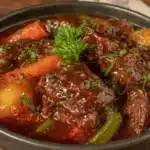
A hearty, one-pot comfort food stew featuring tender chuck roast and vegetables, slow-cooked to perfection with rich flavors and a thick, savory gravy.
- Prep Time: 15 minutes
- Cook Time: 8 hours
- Total Time: 8 hours 15 minutes
- Yield: 6 servings 1x
- Category: Main Course
- Cuisine: American
Ingredients
- 2 pounds chuck roast, cut into 1.5-inch cubes
- 32 ounces low-sodium beef broth
- ½ cup dry red wine (such as Cabernet Sauvignon or Merlot)
- 2 tablespoons tomato paste
- 1 large yellow onion, diced
- 4 cloves garlic, minced
- 3 large carrots, peeled and cut into chunks
- 1.5 pounds Yukon Gold or Russet potatoes, cut into chunks
- 2 stalks celery, chopped
- 1 tablespoon Worcestershire sauce
- 1 teaspoon dried thyme
- 2 bay leaves
- 2 tablespoons all-purpose flour
- 2 tablespoons butter
- Salt and black pepper to taste
Instructions
- Pat the cubed chuck roast dry with paper towels. In a large bowl, toss the beef cubes with 2 tablespoons of flour, 1 teaspoon of salt, and ½ teaspoon of black pepper until evenly coated.
- Heat 1 tablespoon of butter in a large skillet over medium-high heat. Working in batches to avoid overcrowding, sear the beef cubes for 2-3 minutes per side until a deep brown crust forms. Transfer seared beef to the slow cooker.
- In the same skillet, add the remaining tablespoon of butter. Sauté the diced onions and chopped celery for 3-4 minutes until softened. Add the minced garlic and cook for 30 seconds until fragrant. Transfer this mixture to the slow cooker.
- In a measuring cup, whisk together the beef broth, red wine, tomato paste, and Worcestershire sauce. Pour this mixture over the beef and vegetables in the slow cooker and stir gently.
- Add the bay leaves and dried thyme. Toss in the chopped carrots and potatoes, ensuring they are mostly submerged in the liquid.
- Cover the slow cooker and cook on Low for 8 hours (or on High for 4-5 hours).
- After cooking, check for tenderness. Remove the bay leaves. Taste and adjust seasoning with salt and pepper. If the stew is too thin, leave the lid off on Low for the last 30 minutes to thicken.
Notes
Searing the beef is recommended to create a Maillard reaction for deeper flavor. If using frozen beef, thaw completely first. For a thicker gravy, remove the lid for the last 30 minutes or use a cornstarch slurry. The stew tastes better the next day as flavors meld.
Nutrition
- Serving Size: 1 bowl
- Calories: 450
- Sugar: 6
- Sodium: 600
- Fat: 20
- Saturated Fat: 8
- Carbohydrates: 25
- Fiber: 4
- Protein: 35
Keywords: slow cooker, beef stew, comfort food, one pot meal, chuck roast, winter recipes, easy dinner