The rain had been hammering against the kitchen window for three hours straight, turning the afternoon into a gray, heavy blur. I was standing at the counter, staring at the starter jar with a mix of dread and resignation, knowing I had to feed it or toss it. Then, Maya, my quiet neighbor who usually only waved from across the fence, leaned over the partition. She watched me hesitate over the spoon, then without a word, handed me a small ceramic bowl filled with thick, orange puree. “Use this,” she said softly. “It makes the discard feel less like waste and more like a gift.” We didn’t talk much after that, just stood there in the damp air while she pointed out which pumpkins were best for roasting. That small, unspoken exchange changed how I view my sourdough routine. It stopped being a chore and became a ritual of connection.
I’m not supposed to play favorites with recipes, but this cozy pumpkin sourdough discard bread has stolen my heart in the most unexpected way. Honestly, before Maya’s gift, I was throwing away so much starter, feeling guilty about the flour and time. But blending that pumpkin into the mix? It changed everything. The bread turned out incredibly moist, with a crumb that feels like a warm hug. You know that feeling when you finally find a recipe that just works without you stressing over every minute detail? That’s this one. I made a mess of my counter the first time, spilling some pumpkin seeds, but Maya just laughed and helped me clean it up. It’s not just about the bread; it’s about those moments where kindness and food intersect.
What stayed with me wasn’t just the flavor, but the shift in perspective. Now, when I see that bubbly jar, I don’t see waste. I see potential. This cozy pumpkin sourdough discard bread is my way of honoring that afternoon. It’s simple, it’s forgiving, and it smells like autumn in a way that only fermented dough can. If you’ve ever felt overwhelmed by the demands of sourdough maintenance, let me tell you, this recipe is your best friend. It takes the stress out of feeding your starter and turns it into something delicious. I keep making it because it reminds me that good things often come from small, unexpected exchanges.
Why You’ll Love This Recipe
This isn’t just another bread recipe; it’s a solution to the sourdough starter dilemma that so many of us face. I’ve tested dozens of discard recipes over the years, and most fall flat—either too dense or lacking that signature tang. This cozy pumpkin sourdough discard bread strikes the perfect balance. The pumpkin puree adds natural sweetness and moisture, eliminating the need for excessive oil or butter, which keeps the crumb tender without being greasy. The fermentation process, even with discard, develops a complex flavor profile that rivals traditional yeast-leavened loaves. You get the depth of flavor without the days-long wait, making it perfect for impatient bakers or busy weeknights.
- Quick & Easy: Since we’re using discard, there’s no need to wait for your starter to peak. You can mix this up in under 30 minutes, making it ideal for last-minute cravings or a quick weekend project.
- Simple Ingredients: You likely already have everything in your pantry. Flour, water, pumpkin puree, a little sweetener, and spices. No fancy grocery trips needed.
- Perfect for Autumn: The warm spices like cinnamon, nutmeg, and ginger make this the ultimate seasonal comfort food. It’s great for breakfast, brunch, or a cozy afternoon snack.
- Crowd-Pleaser: The subtle sweetness and moist texture appeal to both kids and adults. It’s a hit at potlucks and family gatherings.
- Unbelievably Delicious: The combination of tangy sourdough and sweet pumpkin creates a next-level flavor profile. It’s comfort food reimagined—healthier, faster, but with the same soul-soothing satisfaction.
What makes this recipe different is the technique. By incorporating the pumpkin puree directly into the mix, we bypass the need for complex hydration adjustments. The natural pectin in the pumpkin helps bind the dough, resulting in a softer crumb that stays fresh longer. Whether you are a seasoned sourdough pro or a beginner, this recipe is forgiving. It’s the kind of bread that makes you close your eyes after the first bite. It’s not just good—it’s the kind of recipe that turns a simple meal into something memorable.
What Ingredients You Will Need
This recipe relies on simple, wholesome ingredients to deliver bold flavor and satisfying texture without the fuss. The key to success lies in the quality of your pumpkin puree and the balance of spices. Using real pumpkin, not pie filling, is crucial for the right texture. The sourdough discard adds a subtle tang that cuts through the sweetness, creating a well-rounded taste. Most of these items are pantry staples, which makes this recipe incredibly accessible during busy weeks.
For the Dough
- Unfed Sourdough Discard: 2 cups (450g). Use discard that is active but not necessarily at its peak. This is the base of your bread.
- All-Purpose Flour: 2 cups (250g). Provides structure. You can substitute half with whole wheat flour for a nuttier flavor.
- Pumpkin Puree: 1 cup (240g). Use 100% pure pumpkin, not pie mix. This adds moisture and flavor.
- Maple Syrup: 3 tablespoons (45ml). Adds natural sweetness and helps with browning. Honey works too, but maple complements the spices better.
- Vegetable Oil or Melted Coconut Oil: 2 tablespoons (30ml). Keeps the crumb tender. Coconut oil adds a slight tropical note.
- Egg: 1 large, room temperature. Helps bind the ingredients and adds richness.
- Milk: 1/2 cup (120ml). Any milk works—dairy, almond, or oat. This adjusts the dough consistency.
For the Spices and Flavor
- Cinnamon: 2 teaspoons. The star of the show.
- Nutmeg: 1/2 teaspoon. Warm and earthy.
- Ginger: 1/2 teaspoon. Adds a gentle kick.
- Cardamom: 1/4 teaspoon. Optional, but adds a sophisticated depth.
- Salt: 1 teaspoon. Essential for balancing the sweetness.
I recommend using Marketside pumpkin puree if you can find it, as it tends to be thicker and less watery, which helps control the dough hydration. Look for firm, small-curd cottage cheese if you decide to add a cheese variation, but for this classic version, stick to the puree. In summer, you can swap in roasted sweet potato puree for a similar effect. If you need a dairy-free option, use oat milk and coconut oil. For a gluten-free option, use a 1:1 gluten-free flour blend, though the texture will be slightly denser.
Equipment Needed
You don’t need fancy gadgets to make this cozy pumpkin sourdough discard bread. A standard 9×5 inch loaf pan is all you really need. I prefer a dark metal pan because it conducts heat better and gives the crust a nice crunch. Glass pans work too, but you might need to reduce the oven temperature by 25 degrees to prevent over-browning. A large mixing bowl is essential; I use a 6-quart stainless steel bowl because it’s durable and easy to clean.
A whisk is your best friend here. It helps incorporate the dry ingredients evenly without overworking the dough. If you don’t have a whisk, a fork works, but a whisk is faster. A rubber spatula is crucial for scraping down the sides of the bowl to ensure all ingredients are mixed. For baking, parchment paper is a game-changer. It prevents sticking and makes cleanup a breeze. I always line my pan with parchment, even if it’s greased.
A cooling rack is necessary to prevent the bottom of the loaf from getting soggy. Letting the bread cool completely is important for the texture to set. If you’re feeling fancy, a digital kitchen scale ensures accuracy, but measuring cups work fine if you’re careful. For maintenance, keep your bowl and utensils clean to avoid any off-flavors from previous batches. Budget-friendly options include using an old T-shirt to cover the loaf during rising, which is breathable and reusable.
Preparation Method
- Prepare the Pan: Preheat your oven to 350°F (175°C). Grease a 9×5 inch loaf pan with butter or cooking spray. Line the bottom and sides with parchment paper for easy removal. This step takes about 5 minutes.
- Mix Wet Ingredients: In a large bowl, whisk together the sourdough discard, maple syrup, oil, egg, and milk. Make sure the egg is room temperature to ensure even mixing. This should take 2-3 minutes. The mixture should be smooth and slightly frothy.
- Add Pumpkin Puree: Stir in the pumpkin puree until it is fully incorporated. The mixture will thicken slightly. Scrape down the sides of the bowl to ensure there are no lumps. This step is quick, about 1 minute.
- Combine Dry Ingredients: In a separate bowl, whisk together the flour, cinnamon, nutmeg, ginger, cardamom, and salt. Sifting is optional but helps remove any clumps in the spices. This takes 2 minutes.
- Combine Wet and Dry: Gradually add the dry ingredients to the wet ingredients. Use a rubber spatula to fold the mixture together. Do not overmix; stop when just a few dry streaks remain. Overmixing can make the bread dense. This takes 3-4 minutes.
- Rest the Dough: Let the batter rest for 10 minutes. This allows the flour to hydrate and the baking soda (if added) to activate. If you’re using baking powder, this step helps the leavening distribute evenly.
- Pour into Pan: Pour the batter into the prepared loaf pan. Smooth the top with the spatula. If you want a decorative top, sprinkle a few pumpkin seeds or coarse sugar on top. This takes 1 minute.
- Bake: Place the loaf in the preheated oven. Bake for 55-65 minutes. Check at 50 minutes by inserting a toothpick into the center. If it comes out clean or with a few moist crumbs, it’s done. If not, continue baking in 5-minute increments.
- Cool: Remove the loaf from the oven and let it cool in the pan for 10 minutes. Then, transfer it to a wire rack to cool completely. This step is crucial for the texture. Cooling takes at least 1 hour.
Troubleshooting tip: If the top browns too quickly, tent the loaf with aluminum foil for the last 15 minutes of baking. If the center is undercooked, lower the oven temperature to 325°F (160°C) and bake for an additional 10-15 minutes.
Cooking Tips & Techniques
One common mistake is using cold ingredients. Always bring your egg and milk to room temperature. Cold ingredients can shock the batter and lead to uneven baking. Another tip is to not overmix the dough. Once you add the flour, mix just until combined. Overmixing develops gluten, which can make the bread tough instead of tender. I learned this the hard way on my second attempt; my bread was like a brick. Now, I use a gentle folding motion.
Timing is everything. If you’re baking this on a humid day, you might need to reduce the milk by a tablespoon. Humidity affects flour absorption. Conversely, in dry weather, you might need a splash more milk. Pay attention to the consistency of the batter; it should be thick but pourable. If it’s too thick, add milk. If too thin, add flour.
For a denser, more rustic loaf, use whole wheat flour instead of all-purpose. For a lighter texture, use cake flour. I often experiment with adding walnuts or pecans for crunch. Just fold them in at the end. Another technique is to brush the top of the loaf with melted butter before baking for a softer crust. Or, for a crispy crust, bake the loaf on a preheated baking stone. This method transfers heat more efficiently. I’ve found that letting the batter rest for 10 minutes helps the flavors meld, resulting in a more cohesive taste. Don’t skip this step!
Variations & Adaptations
This recipe is highly adaptable. For a dairy-free version, use coconut oil and almond milk. For a vegan version, replace the egg with a flax egg (1 tablespoon ground flaxseed mixed with 3 tablespoons water). Let it sit for 5 minutes before adding to the batter. For a gluten-free option, use a 1:1 gluten-free flour blend. Note that the texture will be slightly denser, so don’t overmix.
You can also change the spices. Add a pinch of cloves for a stronger winter spice flavor. Or, swap the cinnamon for pumpkin pie spice for convenience. For a savory twist, omit the maple syrup and add cheddar cheese and chives. This creates a savory pumpkin bread that’s perfect for soup nights. I’ve also tried adding chocolate chips, which turns it into a dessert bread. It’s surprisingly good!
If you want to use fresh pumpkin, roast a sugar pumpkin (also known as a pie pumpkin) at 400°F (200°C) for 45 minutes until tender. Scoop out the flesh and mash it. Avoid using carving pumpkins, as they are watery and stringy. For a quicker option, canned pumpkin works perfectly. Just ensure it’s 100% pure pumpkin.
Serving & Storage Suggestions
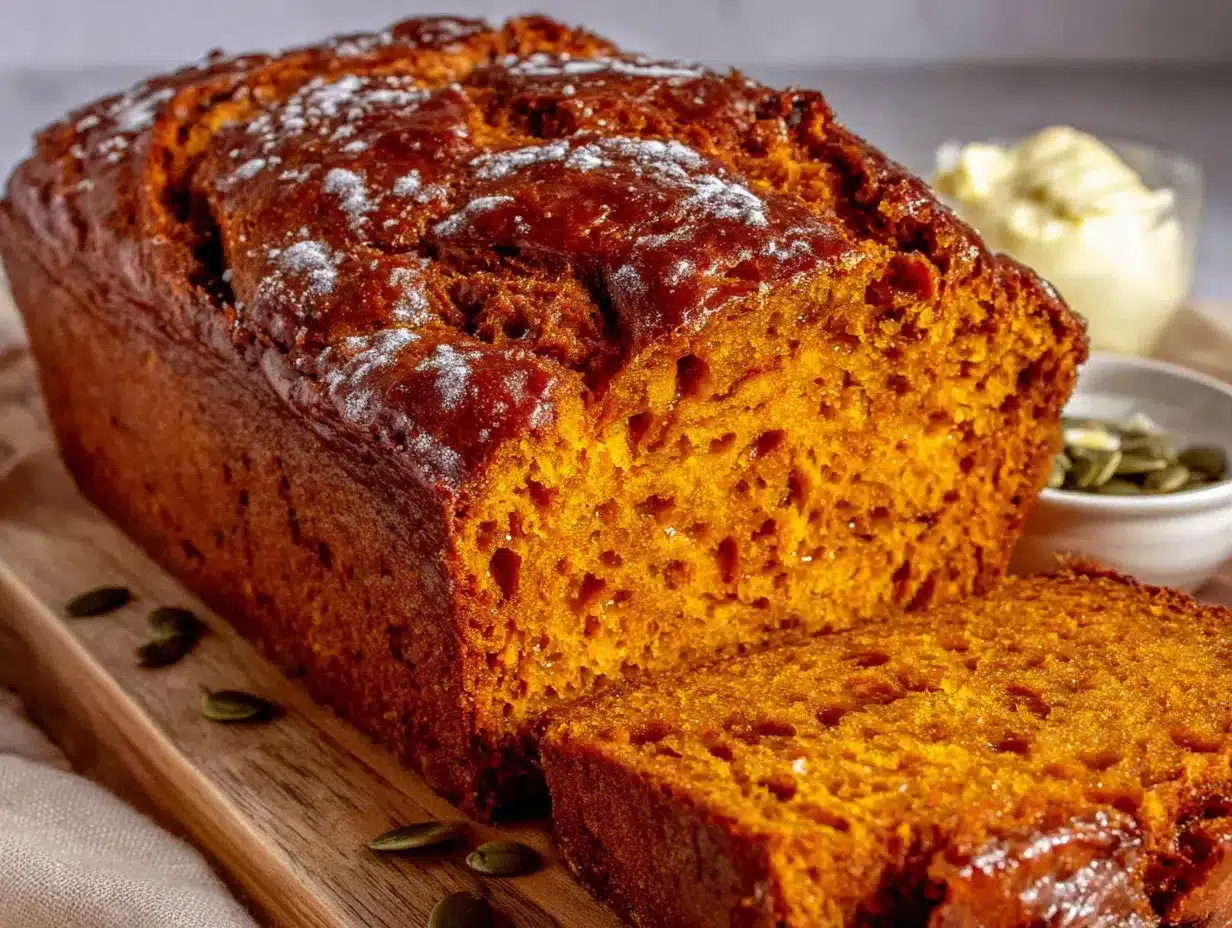
This cozy pumpkin sourdough discard bread is best served slightly warm. Slice it thick and toast it for a crisp exterior and soft interior. It pairs beautifully with a cup of coffee or tea. For a richer experience, spread it with salted butter or cream cheese. It also makes excellent French toast the next day. The flavors actually develop over time, so it tastes even better on day two.
To store, wrap the cooled loaf in plastic wrap or aluminum foil. Keep it at room temperature for up to 3 days. For longer storage, freeze slices individually. Wrap each slice in plastic wrap and then place them in a freezer bag. They will last for up to 3 months. To reheat, thaw at room temperature and then warm in the oven or toaster oven. Avoid the microwave, as it can make the bread chewy. This bread freezes exceptionally well, making it great for meal prep.
Nutritional Information & Benefits
Each slice of this cozy pumpkin sourdough discard bread contains approximately 180 calories, 4g of protein, 30g of carbohydrates, and 6g of fat. The pumpkin puree adds a good source of vitamin A and fiber, which aids digestion. The sourdough fermentation process can improve nutrient absorption and reduce phytic acid, making the minerals in the flour more bioavailable. This makes it a slightly healthier option compared to regular quick breads.
For those watching their sugar intake, you can reduce the maple syrup to 2 tablespoons. The natural sweetness from the pumpkin still provides enough flavor. This bread is naturally free from artificial preservatives, making it a wholesome choice for the family. It’s also a great way to use up sourdough discard, reducing food waste. Personally, I appreciate that it’s a balanced treat—not too sweet, but satisfying enough to curb cravings. It’s a guilt-free indulgence that fits into a healthy lifestyle.
Conclusion
This cozy pumpkin sourdough discard bread is more than just a recipe; it’s a celebration of simple, seasonal joys. It’s easy to make, delicious to eat, and perfect for sharing. I hope you try it and find your own moments of connection in the kitchen. Don’t be afraid to experiment with spices or add-ins. Make it your own. If you do, I’d love to hear how it turns out. Leave a comment below with your variations or tips. Share your photos on social media and tag me. Let’s keep the conversation going. Happy baking!
Frequently Asked Questions
Can I use canned pumpkin pie filling instead of pure pumpkin puree?
No, you should not use pumpkin pie filling. Pie filling contains added sugars and spices that will alter the flavor and sweetness of the bread. Always use 100% pure pumpkin puree for the best results.
Can I freeze sourdough discard?
Yes, you can freeze sourdough discard. Store it in an airtight container or freezer bag for up to 3 months. Thaw it in the refrigerator before using. Note that the texture may change slightly, but it will still work well in recipes like this.
Why did my bread turn out dense?
Dense bread can result from overmixing, using old baking powder, or not letting the batter rest. Ensure your leavening agents are fresh and fold the ingredients gently. Also, check your oven temperature with a thermometer to ensure it’s accurate.
Can I add nuts to this recipe?
Absolutely! Walnuts, pecans, or almonds are great additions. Fold them in at the end of mixing. Use about 1/2 cup of chopped nuts. This adds crunch and flavor.
How do I know when the bread is done baking?
Insert a toothpick into the center of the loaf. If it comes out clean or with a few moist crumbs, it’s done. The internal temperature should reach 200°F (93°C). If the top is browning too fast, tent it with foil.
Pin This Recipe!
Cozy Pumpkin Sourdough Discard Bread
A moist, flavorful autumn bread that uses sourdough discard and pumpkin puree for a tender crumb and complex flavor without the long wait of traditional sourdough.
- Prep Time: 15 minutes
- Cook Time: 60 minutes
- Total Time: 75 minutes
- Yield: 1 loaf (8-10 servings) 1x
- Category: Dessert
- Cuisine: American
Ingredients
- 2 cups (450g) unfed sourdough discard
- 2 cups (250g) all-purpose flour
- 1 cup (240g) 100% pure pumpkin puree
- 3 tablespoons (45ml) maple syrup
- 2 tablespoons (30ml) vegetable oil or melted coconut oil
- 1 large egg, room temperature
- 1/2 cup (120ml) milk (dairy, almond, or oat)
- 2 teaspoons cinnamon
- 1/2 teaspoon nutmeg
- 1/2 teaspoon ginger
- 1/4 teaspoon cardamom (optional)
- 1 teaspoon salt
Instructions
- Preheat oven to 350°F (175°C). Grease a 9×5 inch loaf pan and line with parchment paper.
- In a large bowl, whisk together sourdough discard, maple syrup, oil, egg, and milk until smooth and slightly frothy.
- Stir in the pumpkin puree until fully incorporated.
- In a separate bowl, whisk together flour, cinnamon, nutmeg, ginger, cardamom, and salt.
- Gradually add dry ingredients to wet ingredients. Fold gently with a rubber spatula until just combined; do not overmix.
- Let the batter rest for 10 minutes.
- Pour batter into the prepared loaf pan and smooth the top. Optionally sprinkle with pumpkin seeds or coarse sugar.
- Bake for 55-65 minutes, or until a toothpick inserted into the center comes out clean.
- Cool in the pan for 10 minutes, then transfer to a wire rack to cool completely.
Notes
Ensure ingredients are at room temperature. Do not overmix the dough to avoid a dense texture. If the top browns too quickly, tent with foil. For gluten-free, use a 1:1 GF flour blend. For vegan, use a flax egg and plant-based milk/oil.
Nutrition
- Serving Size: 1 slice
- Calories: 180
- Sugar: 12
- Sodium: 250
- Fat: 6
- Saturated Fat: 1
- Carbohydrates: 30
- Fiber: 2
- Protein: 4
Keywords: pumpkin bread, sourdough discard, autumn recipe, quick bread, gluten-free option, vegan option, seasonal baking